Ayesha Abdul Qadir - BlogWhy Mobile-First Design is No Longer Optional
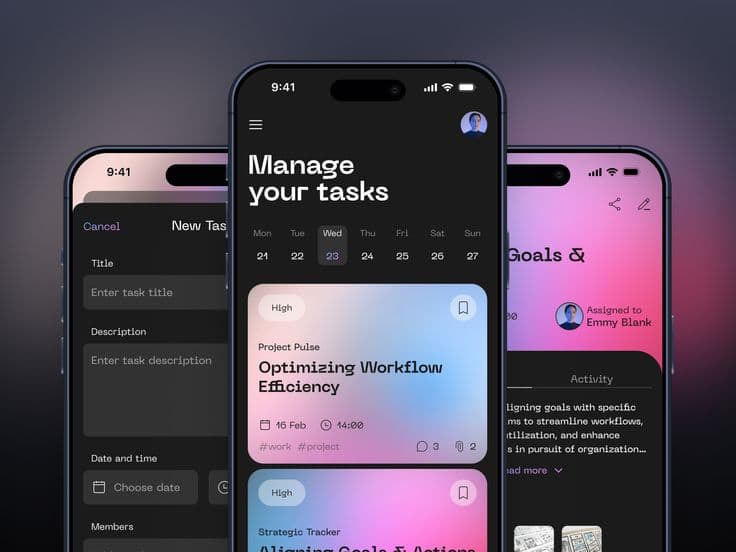
why is mobile-first design so critical, and how can you ensure your website meets the evolving needs of mobile users? Let’s break it down.
1. User Behavior Has Shifted
Gone are the days when users primarily browsed the web on desktops. People now reach for their smartphones first to shop, read, and engage online. If your site isn’t optimized for smaller screens, expect higher bounce rates and lower user retention.
👉 Fact: Google reports that 53% of users will abandon a site if it takes longer than 3 seconds to load on mobile.
2. Google Prioritizes Mobile-First Indexing
Since 2018, Google has used mobile-first indexing, meaning it evaluates the mobile version of your site when determining rankings. If your mobile site is clunky or incomplete, it can hurt your SEO and push your site lower in search results.
👉 Pro Tip: Ensure responsive design, fast load times, and mobile-friendly navigation to boost your search visibility.
3. Higher Conversion Rates on Mobile
Mobile experiences drive engagement and conversions. Whether it’s e-commerce, social media, or service-based sites, users are more likely to convert when the mobile experience is seamless.
👉 Example: A one-second delay in mobile page load time can reduce conversions by up to 20%.
4. Competitive Advantage
A mobile-first design separates you from the competition. Companies that invest in smooth, visually appealing mobile experiences build stronger brand loyalty and keep users coming back.
👉 Real-World Insight: Brands like Amazon and Airbnb prioritize mobile design, ensuring frictionless experiences that drive higher customer satisfaction.
5. It’s About Accessibility
Mobile-first design isn’t just about aesthetics. It’s also about ensuring accessibility for all users. Simple navigation, clear call-to-action buttons, and fast load times create a user-friendly experience for everyone, regardless of the device they use.
👉 Action Item: Test your site regularly across different devices and screen sizes to ensure a consistent experience.
How to Embrace Mobile-First Design
- Start Small: Design for the smallest screen first, then scale up to larger devices.
- Prioritize Speed: Compress images, optimize code, and use caching to improve load times.
- Focus on Simplicity: Clear layouts, large fonts, and intuitive navigation enhance mobile usability.
- Test, Test, Test: Regularly test your site on real devices and use tools like Google’s Mobile-Friendly Test.
The Bottom Line
Mobile-first design is no longer optional – it’s essential for staying relevant and competitive. By putting mobile experiences at the forefront, you’re not only catering to the majority of web users but also future-proofing your website for the evolving digital landscape.
Now is the time to adapt. Prioritize mobile-first design today, and watch your engagement, traffic, and conversions soar.
Comments
No Comments Yet